What Happens If You’re Injured in a Car Accident While Traveling?
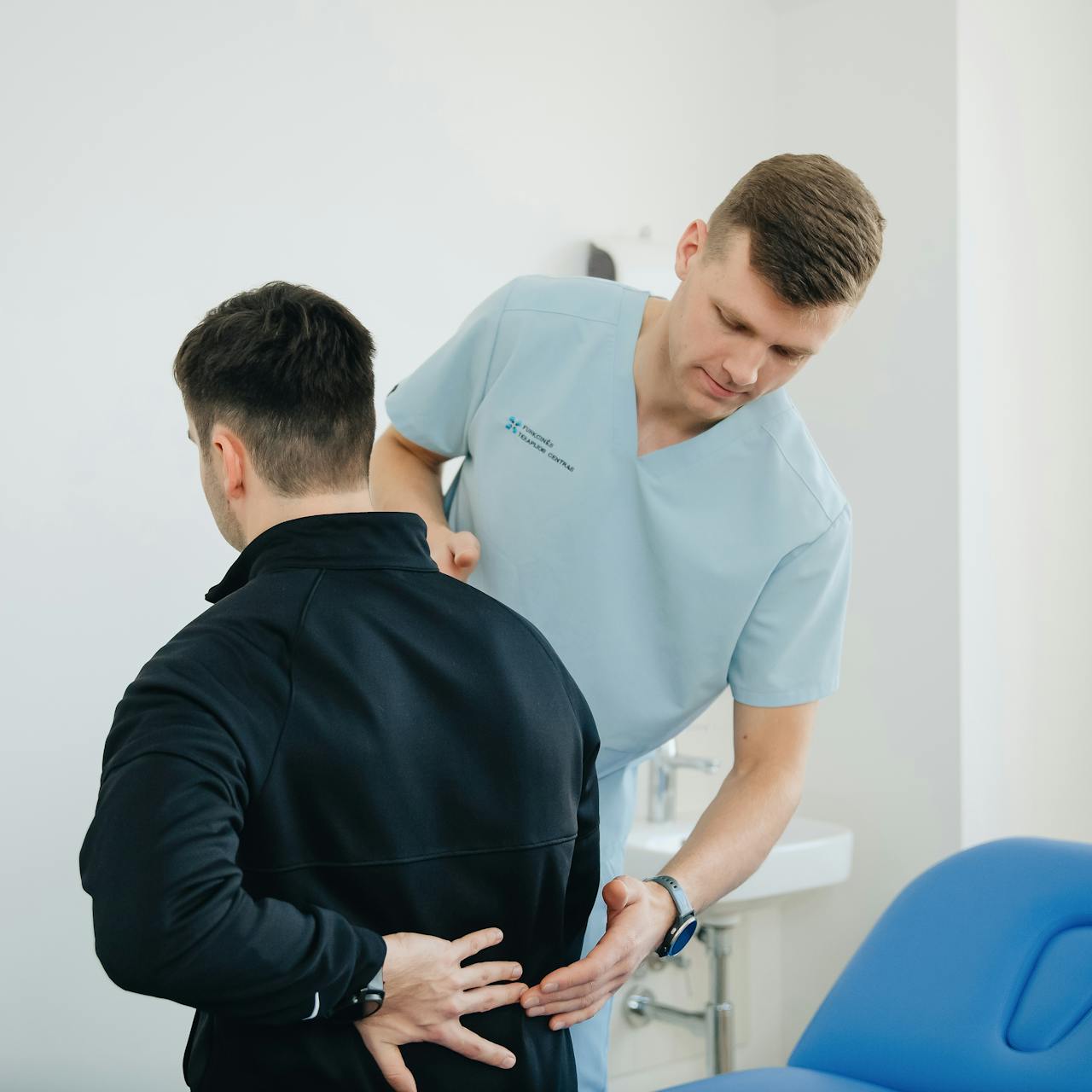
Travel is meant to be an escape—new places, new experiences, and a break from everyday life. But when a car accident happens far from home, that experience can quickly turn stressful and overwhelming.
Whether you’re on a road trip, renting a car in a new city, or relying on rideshares, accidents can happen anywhere. Knowing what to do next can make a major difference in both your safety and your recovery.
Understanding the potential injuries from a car accident—especially those that aren’t immediately visible—can help you take the right steps early on.
Immediate Steps After the Accident
If you’re involved in an accident while traveling, your first priority is safety.
- Move to a safe location if possible
- Call emergency services
- Check yourself and others for injuries
- Exchange information with the other driver
- Document the scene with photos
Even if the accident seems minor, it’s important to take it seriously—especially when you’re away from your usual support system.
The Hidden Risk: Injuries That Don’t Show Right Away
One of the biggest mistakes travelers make is assuming they’re fine because they don’t feel immediate pain.
Some injuries can take hours—or even days—to appear, including:
- Internal bleeding
- Soft tissue damage
- Concussions
- Whiplash
Adrenaline can mask symptoms in the moment, which is why getting checked out as soon as possible is critical.
Seeking Medical Care in an Unfamiliar Place
Getting medical attention while traveling can feel complicated, but it’s essential.
Here’s how to approach it:
- Visit the nearest urgent care or hospital
- Keep all medical records and documentation
- Notify your insurance provider as soon as possible
- Follow any treatment recommendations given
If you’re traveling internationally, contact your embassy or travel insurance provider for guidance.
What About the Rest of Your Trip?
An accident can disrupt your plans, but your health should come first.
You may need to:
- Delay or cancel parts of your trip
- Arrange alternative transportation
- Stay longer for medical observation
While it’s frustrating, pushing through an injury can make things worse in the long run.
Returning Home and Continuing Recovery
Once you’re back home, don’t assume the situation is over.
Follow up with a healthcare provider and monitor for any delayed symptoms. Injuries from accidents can evolve, and early treatment often leads to better outcomes.
Make sure to:
- Share all records from your initial visit
- Continue any prescribed therapy or care
- Track any new or worsening symptoms
How to Be Better Prepared While Traveling
While you can’t predict an accident, you can be prepared:
- Keep emergency contacts easily accessible
- Carry a copy of your insurance information
- Consider travel insurance for longer trips
- Know the local emergency number for your destination
Preparation won’t prevent an accident—but it can reduce stress if one happens.
Final Thoughts
A car accident while traveling is never part of the plan, but how you respond can make all the difference.
Taking injuries seriously, seeking prompt care, and staying aware of delayed symptoms can protect your health long after the trip ends. Travel is about enjoying the journey—but staying safe ensures you can keep exploring for years to come.